
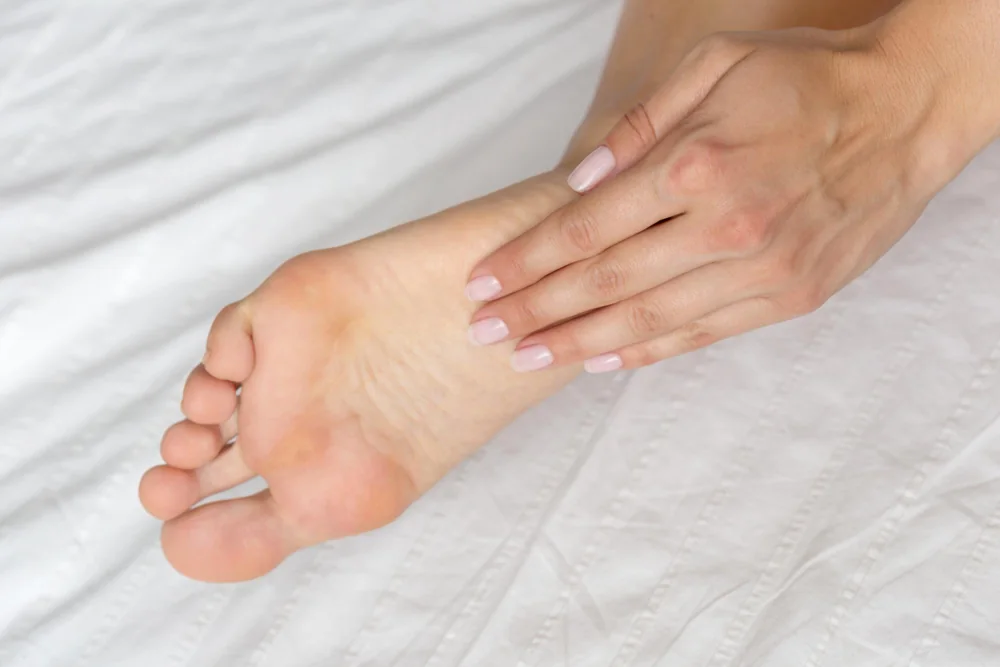
Similar-looking bumps can have different causes
A pressure-related callus, wart, cyst or another growth can feel like a lump on the foot. Its appearance is only part of the picture. Tell the clinician when you noticed it, whether it has changed and whether pressure or walking makes it painful.
Start with an assessment
Bring a timeline of changes and information about products or treatments already used. Depending on the examination, the next step may be observation, treatment, further testing or referral. A photograph or internet search cannot reliably identify every growth.
When to arrange a visit
Have a persistent, growing, bleeding or changing spot evaluated. Avoid cutting into it or applying strong removal products before the cause is understood, particularly if you have diabetes, circulation problems or reduced sensation.
Bring your questions, not just your symptoms.
- What do the findings suggest, and is further assessment needed?
- What is each option intended to help with?
- How could care affect my work, shoes or usual activity?
- What costs, instructions and follow-up should I plan for?
Common questions
Can I tell whether a bump is a wart from a photo?
A photo or a description may not be enough to establish the diagnosis. A clinician can assess the area and decide whether further evaluation is needed.
Do plantar warts have roots?
No. Warts do not have roots; the dark spots sometimes seen in them are small blood vessels. Treatment advice should be based on the diagnosis.
Will every wart clear after one treatment?
No single-visit result should be promised. The treatment plan and response vary, and follow-up may be needed.