

Practice news
A new website for Pinellas Park patients
A refreshed website brings local foot and ankle information, a closer look at the practice and straightforward appointment options together.
Read the newsFind answers to common questions about foot pain, injuries, nails, skin and children's feet. Start with the concern that brought you here, then follow the related service link if you would like to discuss an appointment.
A refreshed website brings local foot and ankle information, a closer look at the practice and straightforward appointment options together.
Read the news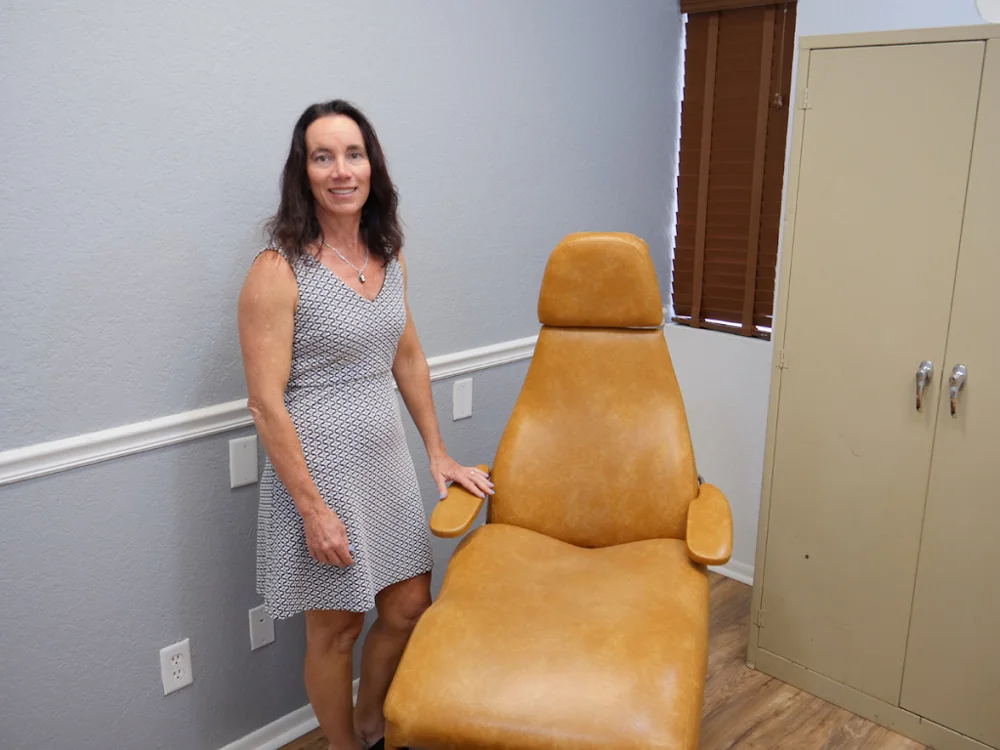
A public directory profile brings together the practice’s location, contact details and foot and ankle care information, with links to professional sources.
Read the news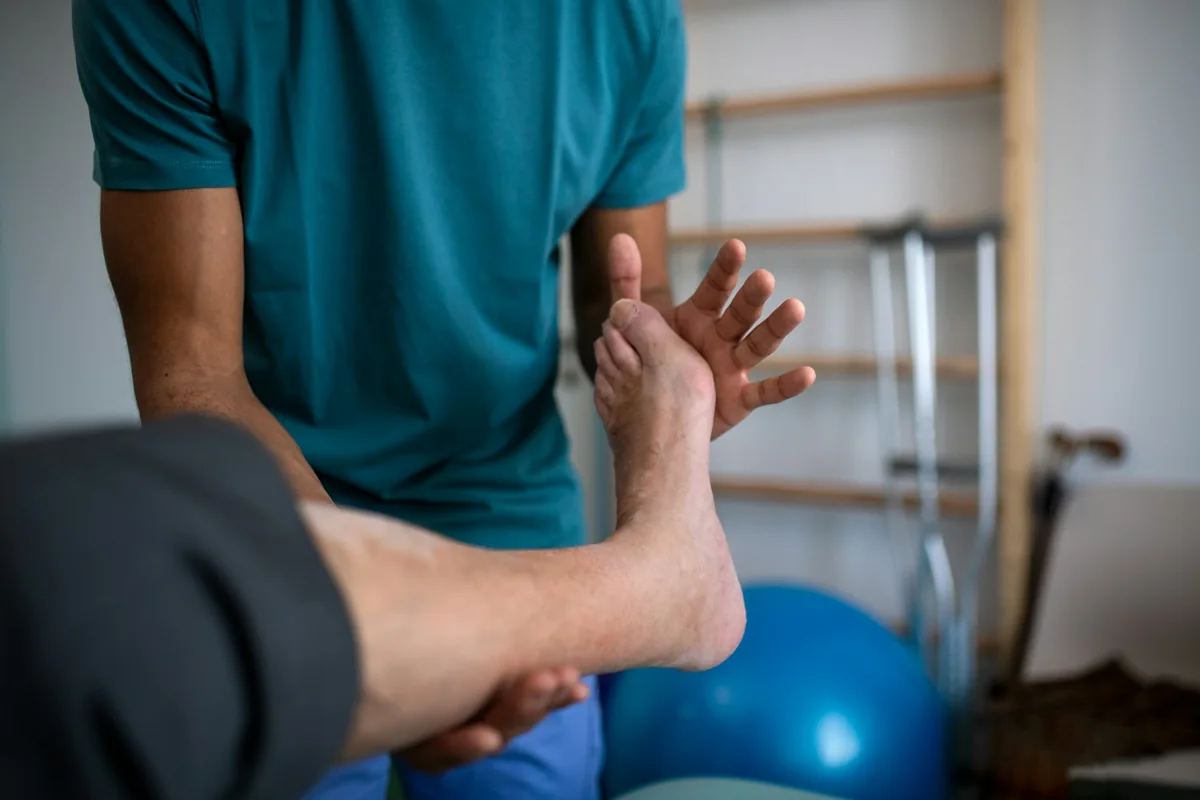
A useful foot-care routine is one you can repeat. Check for changes, choose shoes that fit your activity and notice discomfort that keeps returning. People with diabetes need a routine agreed with their clinician.
Read the guide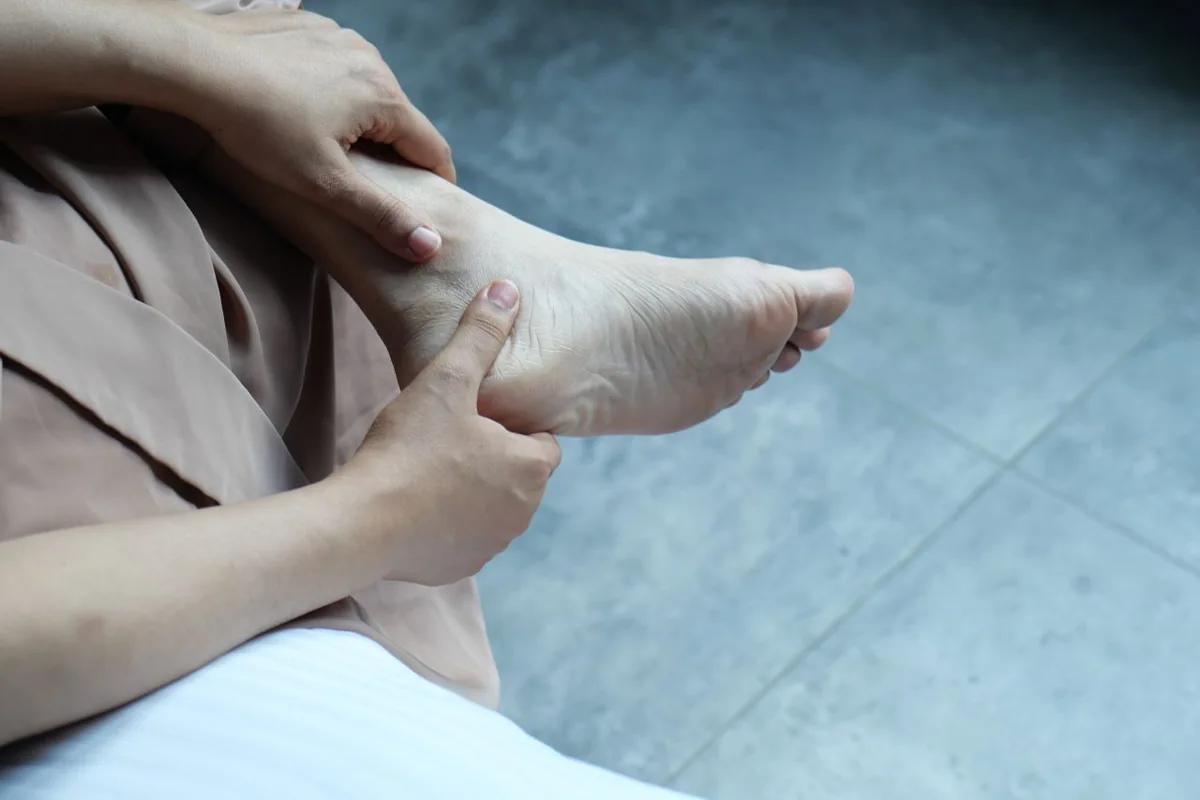
If an ingrown toenail returns, the next step is to understand why. The nail's shape, pressure from shoes and the treatment already tried can all be useful parts of the conversation with your podiatrist.
Read the guide
Repeated foot pain deserves attention to the pattern. Notice whether your child stops playing, limps or points to the same place each time. Warm weather alone does not explain why a foot hurts.
Read the guide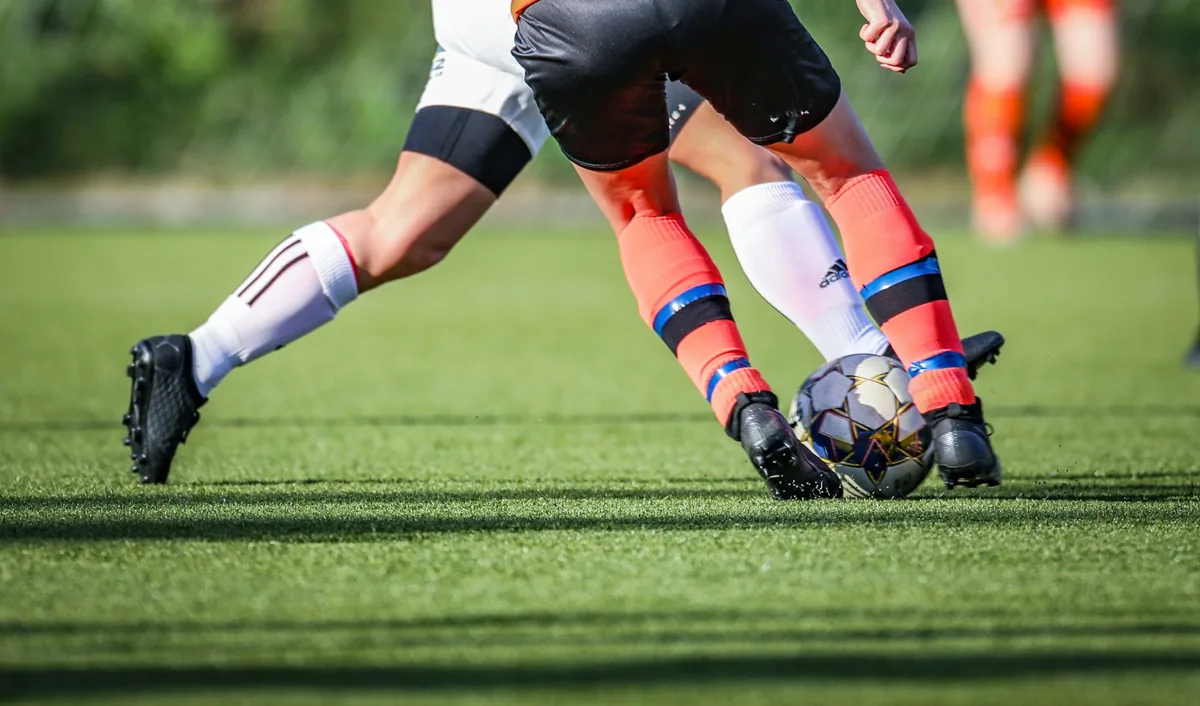
Football puts different demands on a child's feet as training, surfaces and footwear change. A useful prevention conversation covers fit, previous injuries and gradual activity changes, together with what to do when pain starts.
Read the guide
If your arch hurts when you walk, note when the discomfort begins and how long it lasts. The shoes you wear, your recent activities and any earlier injury help give an assessment useful context.
Read the guide
Toddlers cannot always explain where it hurts. Watch for a limp, reluctance to stand or a change in how your child plays. Describe what you see rather than assuming the problem is simply part of growing.
Read the guide
A change after playground time can be easier to explain when you record what happened. Note the activity, which foot your child favors and whether the change continues after play has stopped.
Read the guide
Foot and ankle injuries can interrupt football at any level. The useful first questions are how the injury happened, where symptoms are felt and whether walking has changed. Return to play should follow an individual assessment.
Read the guide
You do not need to know the medical name for a problem before asking about care. Start with what you notice: heel pain, a painful nail, a foot injury or a change in the skin.
Read the guide
Dr. Selsor's office is in Pinellas Park. If you are looking for help elsewhere in Pinellas County, first check whether the practice treats your concern and whether its location and appointment arrangements suit you.
Read the guide
Choosing a podiatrist starts with practical questions. Does the practice treat your concern and age group? What should you check with your insurer? How will the office confirm your appointment and explain the next step?
Read the guide
Growing children can change shoe sizes quickly, but persistent pain still needs a clear explanation. Notice whether shoes have become tight, walking has changed or activities are being avoided, and bring those observations to the visit.
Read the guide
When the same nail keeps becoming painful, temporary relief may leave important questions unanswered. Ask what may be contributing to the recurrence, what treatment choices apply and what follow-up each choice involves.
Read the guide
A painful nail edge can make shoes and walking difficult. If discomfort is increasing or you notice skin changes, contact the office for guidance on assessment. Mention diabetes or circulation concerns when you call.
Read the guide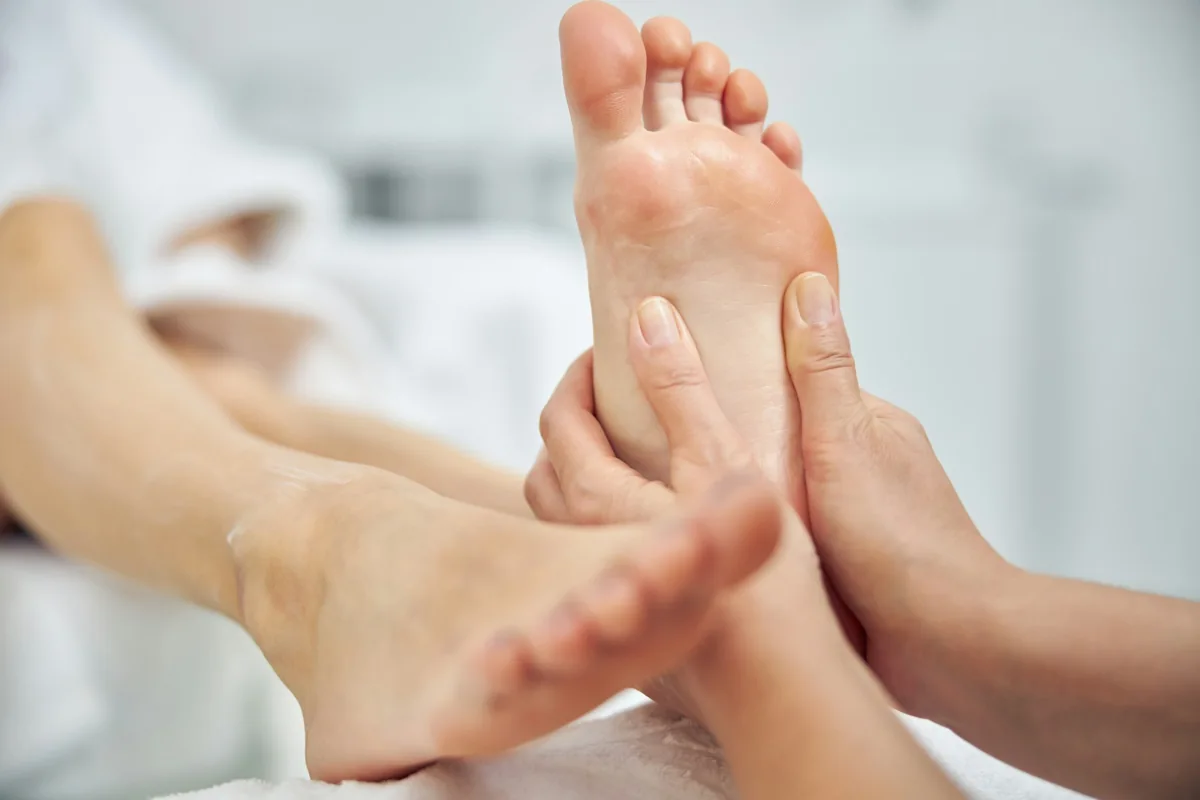
A useful foot-pain appointment starts with your story. Explain when the pain began, what brings it on and what you have tried. Bring questions about the examination, possible tests, treatment choices and costs.
Read the guide
Hot days can change your footwear and activity. Pay attention to fit, moisture and how your feet feel during the day. Persistent pain needs its own explanation, even when it starts during warmer weather.
Read the guide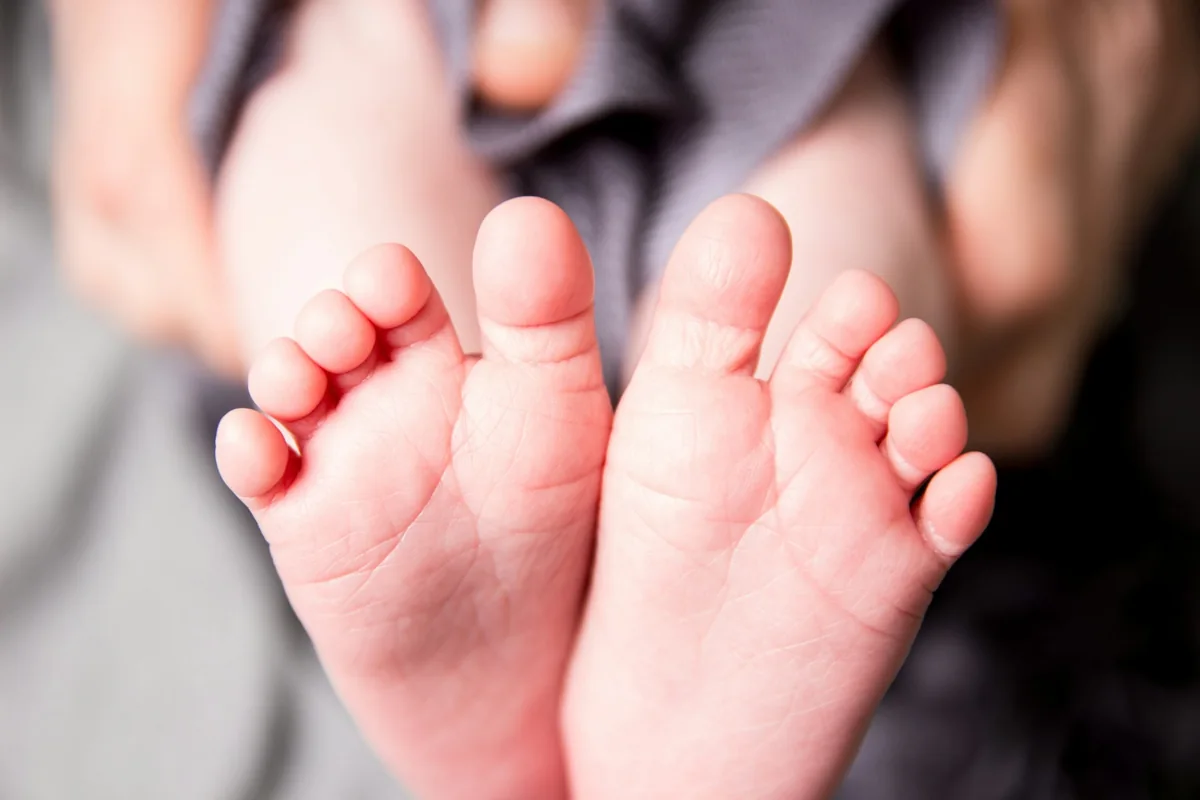
When a child reports pain after play, a few details can help: the activity, the location of pain and whether walking changes afterward. Repeated complaints are more useful to discuss than a guess about the cause.
Read the guide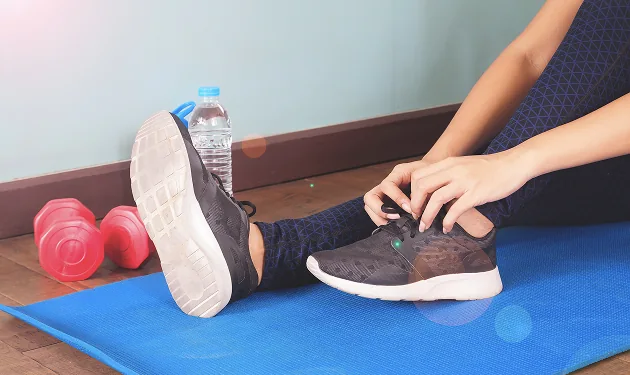
Choose footwear for the activity you are actually doing and allow time to adapt when your routine changes. If the same discomfort returns, record the pattern and discuss it rather than repeatedly changing shoes without a plan.
Read the guide
When foot pain keeps interrupting your routine, make the first call easier with three details: what hurts, how long it has been happening and what you have already tried. Then ask whether the practice can assess that concern.
Read the guide
A podiatrist provides care for foot and ankle concerns. The office can help you identify the relevant appointment type and explain whether your concern fits its services or may need another care setting.
Read the guide
Arch pain can feel different during the first steps of the day, a long walk or time on your feet at work. Describe that pattern and its effect on your routine. An examination can help clarify the possible causes.
Read the guide
A daily foot check helps you notice changes you might otherwise miss. Look for new irritation or damage and pay attention to comfort in your usual shoes. Ask your clinician which care habits fit your health needs.
Read the guide
A child who repeatedly complains of foot pain, starts limping or avoids favorite activities needs more than reassurance about growing. Note the pattern and arrange appropriate assessment. Describe any injury or other symptoms when you call.
Read the guide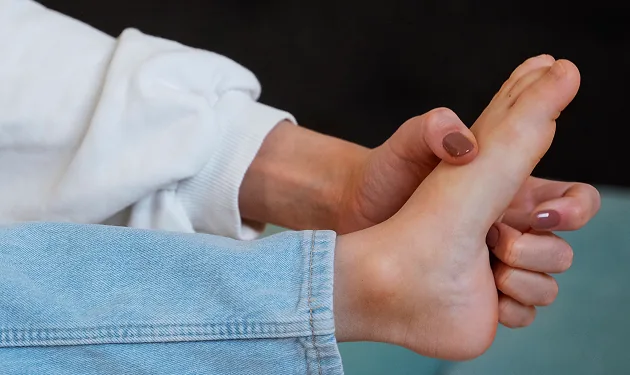
Foot pain after outdoor play is best described by what happened and how your child is moving. Record any injury, change in shoes or repeated pain. Weather alone should not become the explanation for persistent symptoms.
Read the guide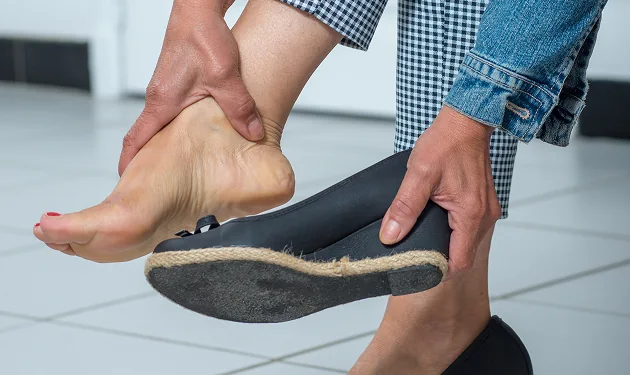
Pain at the back of the heel may behave differently from pain underneath it. Notice whether the shoe presses on the sore area and which movements bring symptoms on. That detail helps frame an assessment.
Read the guide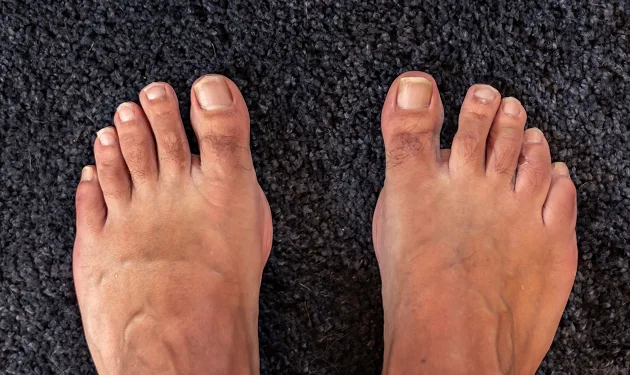
Pressure around a bunion can make a familiar shoe uncomfortable. Describe the sore area and what worsens it. Treatment choices depend on the findings, rather than a seasonal label or a single symptom.
Read the guide
Foot or ankle arthritis can change the length of a comfortable walk and the shoes you choose. Tell your clinician which tasks have become difficult so that the care plan can address your daily priorities.
Read the guide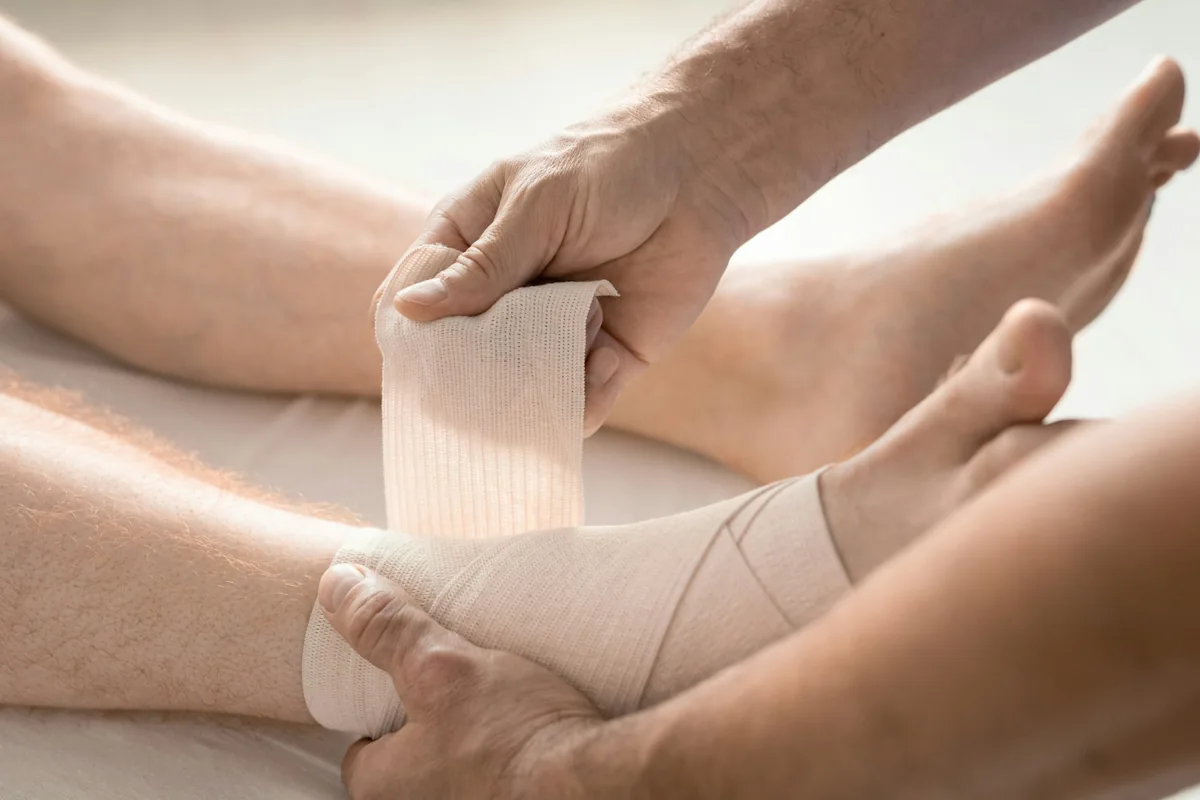
An ankle support is only one part of a plan for returning to activity. Your injury history, strength, balance and the activity itself also matter. Ask what type of support, if any, fits your situation.
Read the guide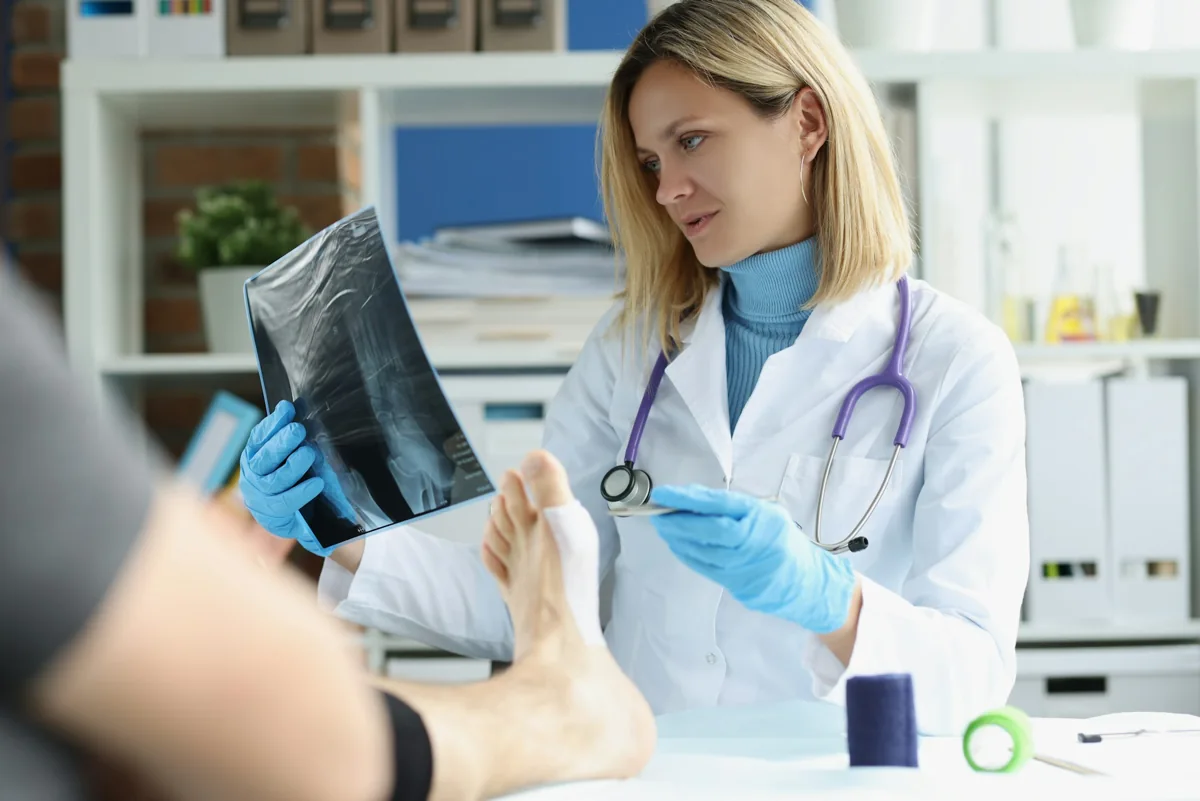
Before traveling with a foot fracture, discuss the trip with the clinician managing your injury. Ask about mobility, transport, follow-up and what to do if symptoms change. Travel plans should fit the stage of your recovery.
Read the guide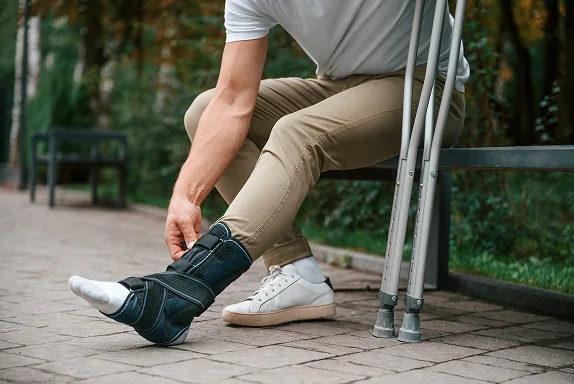
Rest is only one part of a stress-fracture recovery plan. The location of the injury, protection needed and response over time affect what comes next. Ask when the injury should be reviewed and how activity will be reintroduced.
Read the guide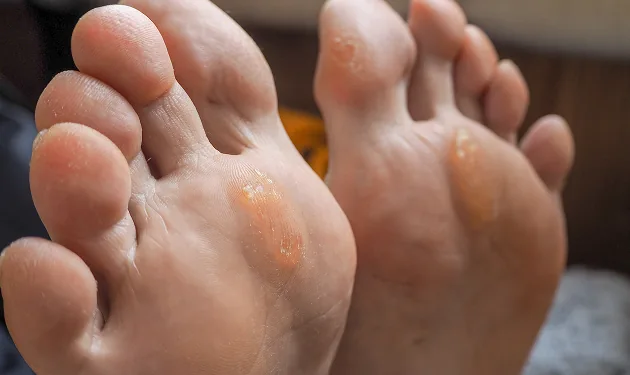
A painful spot on the sole may look like a wart or a callus, but appearance alone can be misleading. The right diagnosis helps guide treatment. Avoid cutting into the area to try to identify it yourself.
Read the guide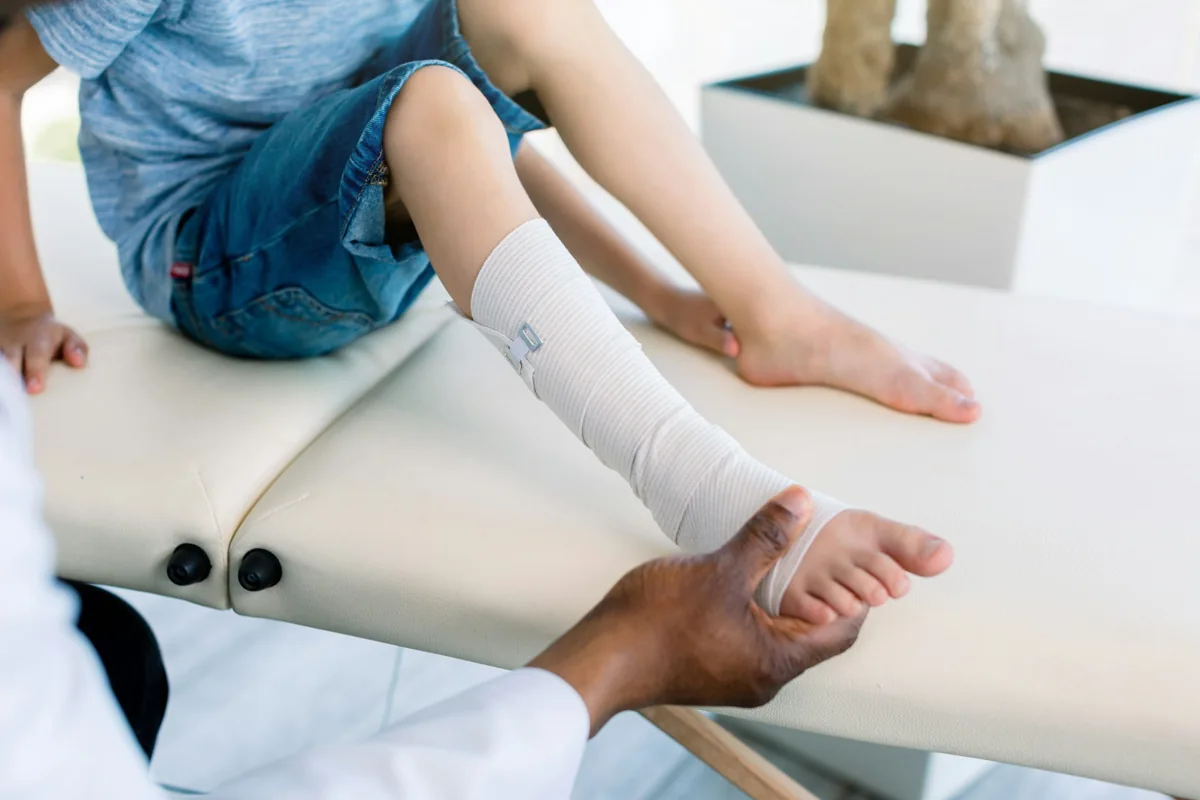
Children's sports place different demands on growing feet. A useful prevention plan considers the sport, footwear and previous injuries. Pain or limping should be discussed before a child is encouraged to play through it.
Read the guide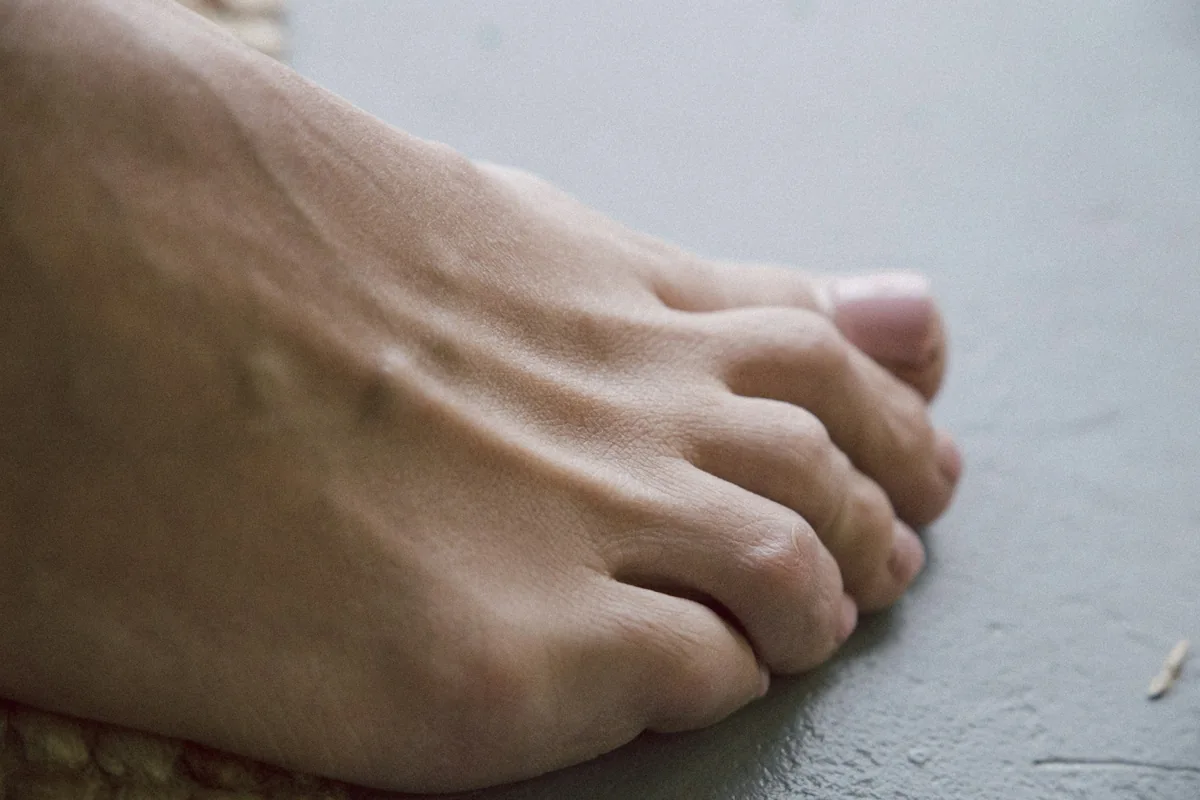
If you have diabetes and notice a new cut or sore on your foot, contact your care team promptly. Describe where it is and any changes you have noticed. A routine appointment form is not the right place to wait for urgent advice.
Read the guide
A yellow or thick nail is not enough to identify the cause. Tell your podiatrist how it has changed, whether it hurts and which products you have tried. Testing may be discussed before choosing treatment.
Read the guide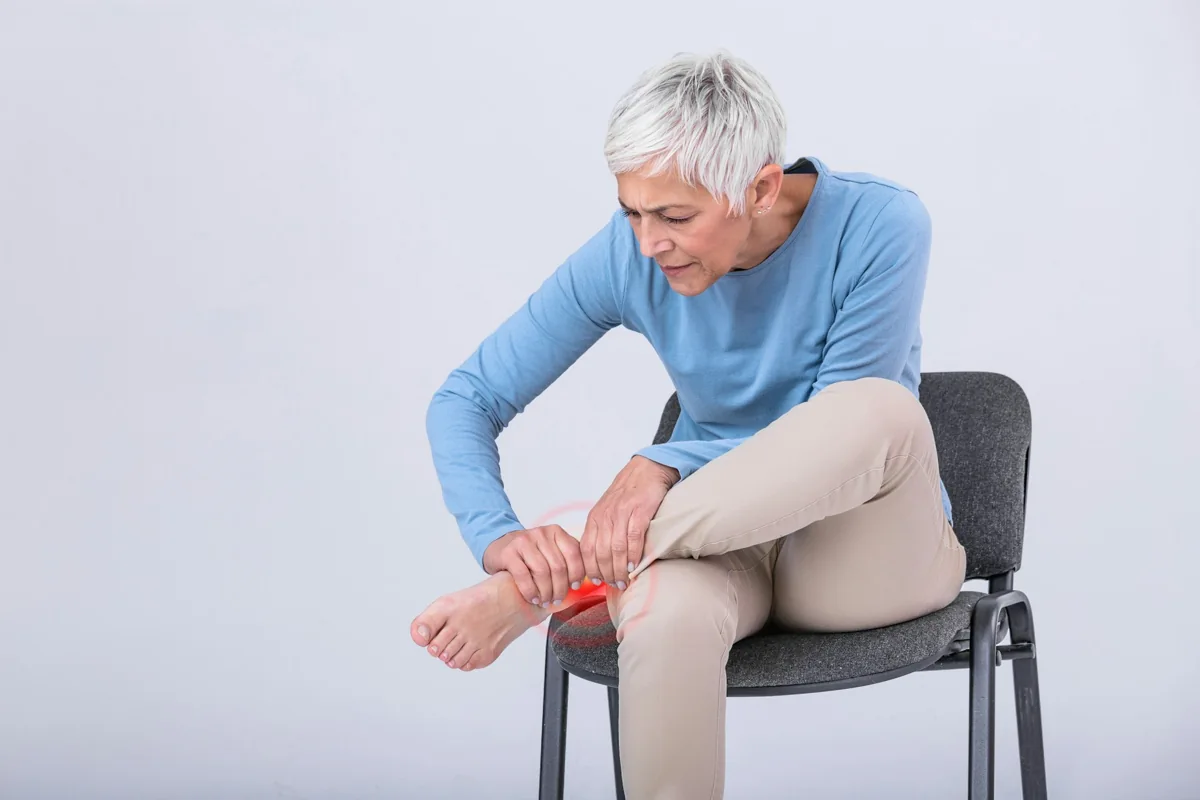
If your foot arthritis feels different in colder weather, record what else has changed: shoes, activity and the pattern of discomfort. Discuss persistent or worsening symptoms rather than assuming that weather explains every change.
Read the guide
Shoes can affect how a sore heel feels, but choosing a pair is easier when you know what to look for. Discuss fit, support and the activities you need them for, especially when discomfort persists despite changes.
Read the guide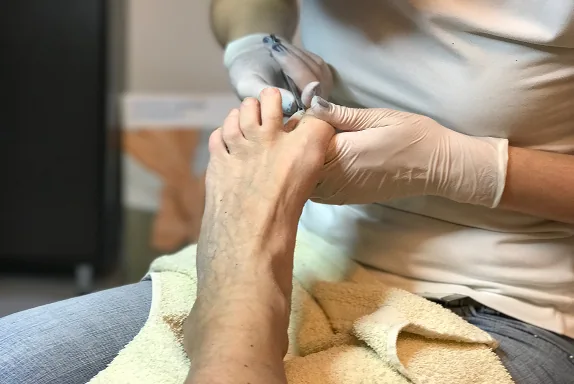
A regular foot check can help you notice changes early. Ask your clinician how to check your feet, what to look for and who to contact about a new problem. Your routine should reflect your individual health needs.
Read the guide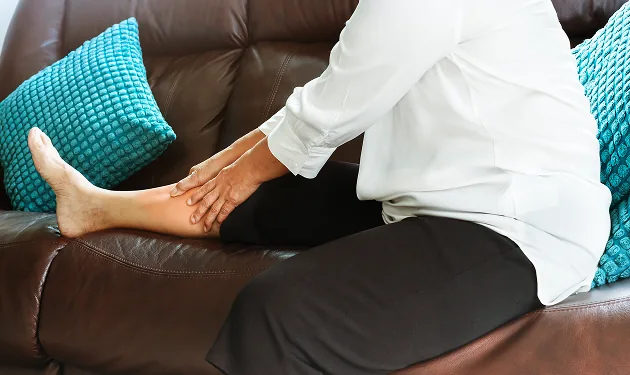
Pain near the toes and pain under the heel can point to different questions. Morton’s neuroma and plantar fasciitis affect different structures, but symptoms still need interpretation. Use the comparison to describe your concern more clearly at a visit.
Read the guide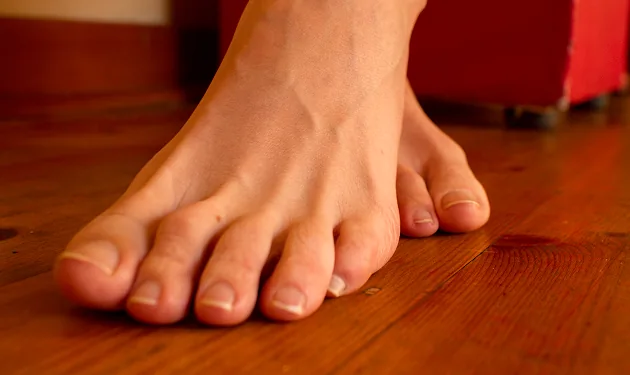
A toe that is becoming more bent or uncomfortable in shoes can raise questions about what happens next. Describe changes in flexibility, pressure and daily activity so that treatment options can be discussed in context.
Read the guide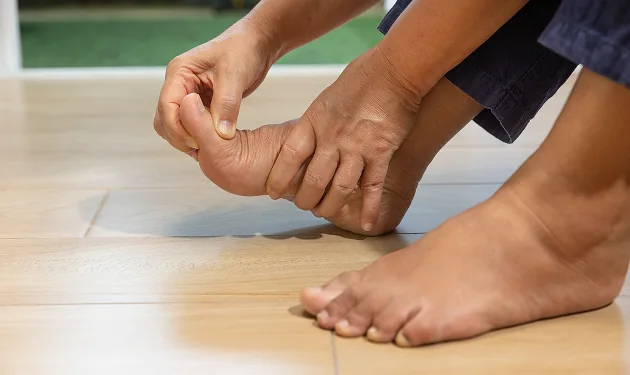
A bunion may become more uncomfortable when shoes or activities put pressure on the area. Track when pain appears and what limits your day. That pattern is useful when discussing treatment choices.
Read the guide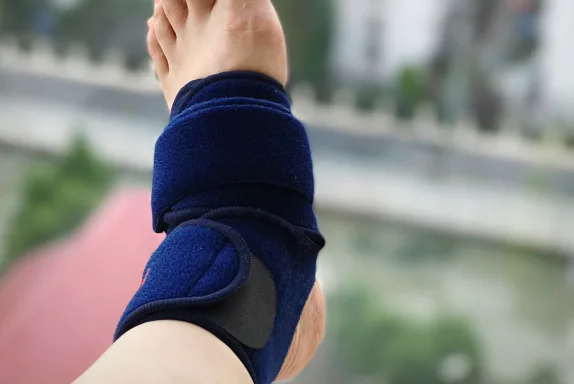
Returning to sport after an ankle sprain involves more than waiting a set number of days. Ask how pain, movement, strength and balance will be assessed, and how training should be increased for your activity.
Read the guide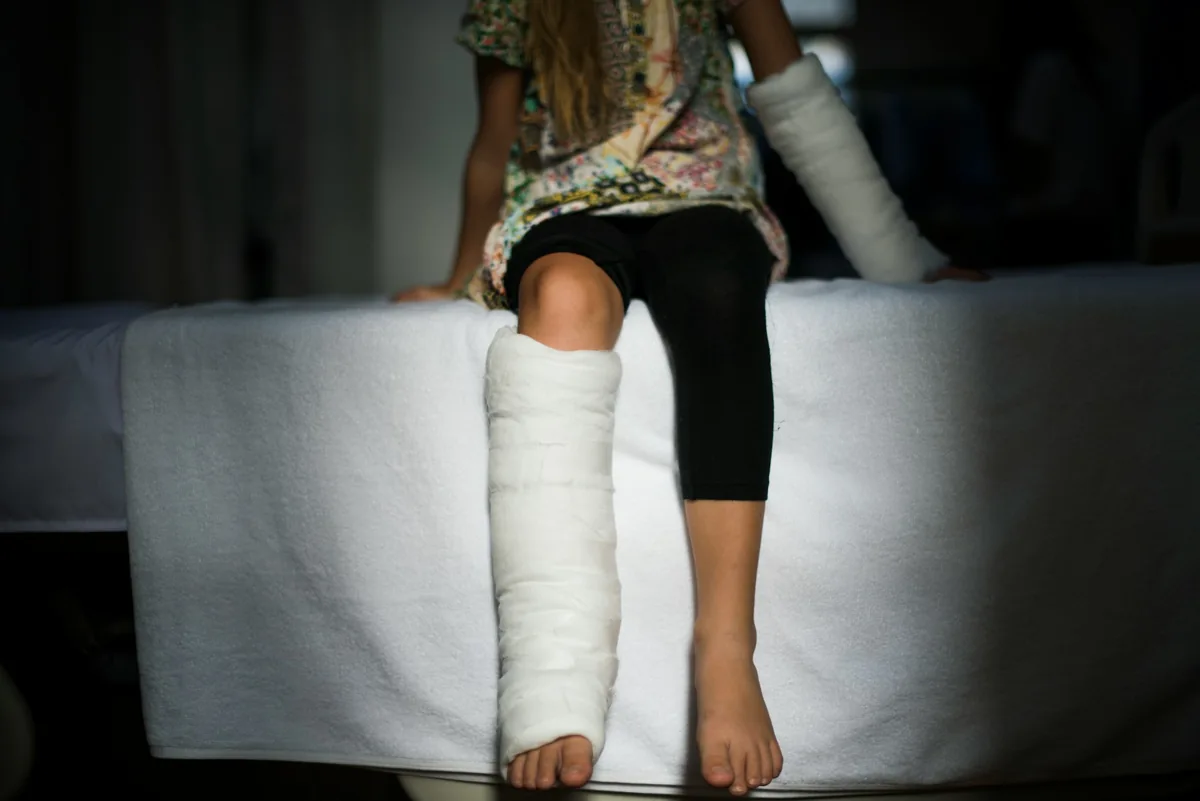
An initial X-ray does not always settle the question of a fracture. If pain continues, ask what follow-up is appropriate and whether more assessment is needed. The next step depends on the injury and examination.
Read the guide
Pools, locker rooms and shared showers can raise practical questions about foot hygiene. Focus on sensible habits and watch for persistent skin or nail changes. A change that does not improve may need a diagnosis rather than another product.
Read the guide
School shoes need to fit the child who will wear them all day. Check comfort during walking and ask where a shoe rubs or feels tight. Repeated pain or limping deserves assessment even when the shoes seem to fit.
Read the guide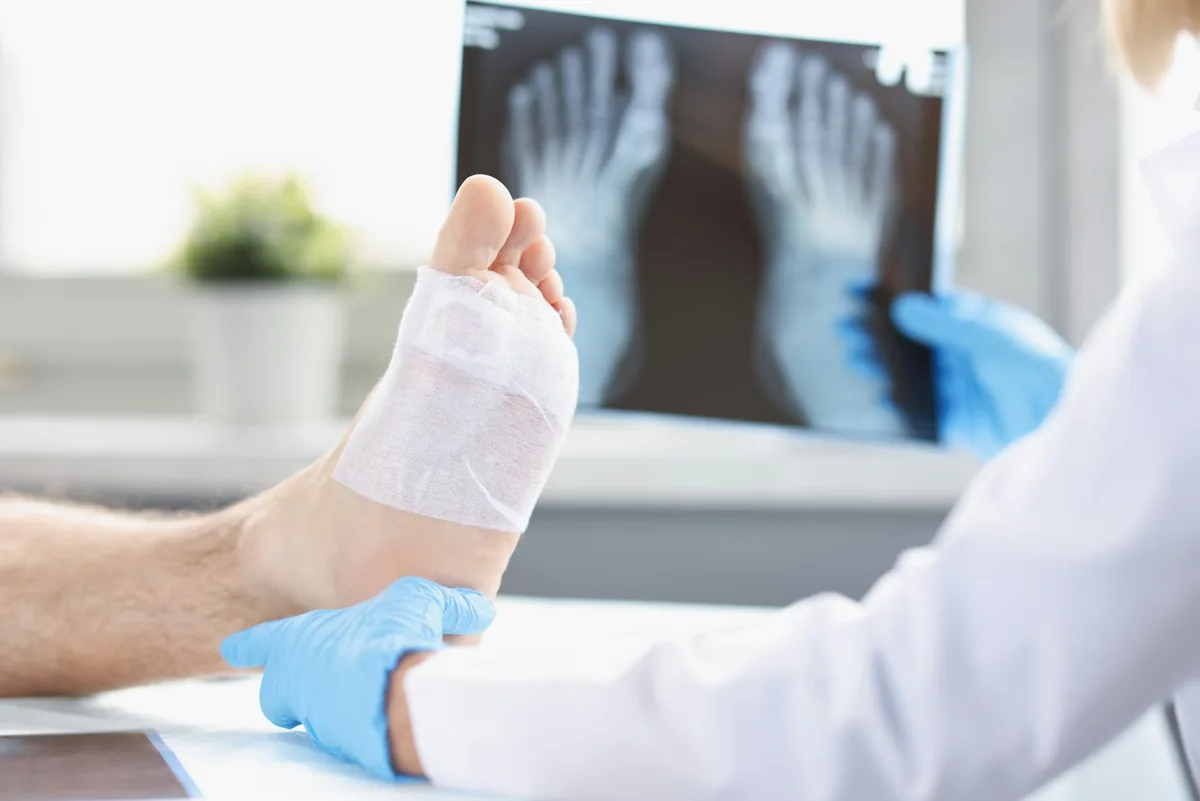
People often use hairline fracture to describe a small break, but that phrase alone does not determine treatment. The bone involved, the position of the break and the examination help explain why recovery plans differ.
Read the guide
A lump that stays on your foot can leave you wondering whether to wait or seek help. Record its location, how long it has been there and any change in size, discomfort or skin appearance before arranging assessment.
Read the guideTry another word or choose “All articles.” You can also ask the office about your concern.
Tell us what is bothering you, what has changed and what you would like to do more comfortably.